
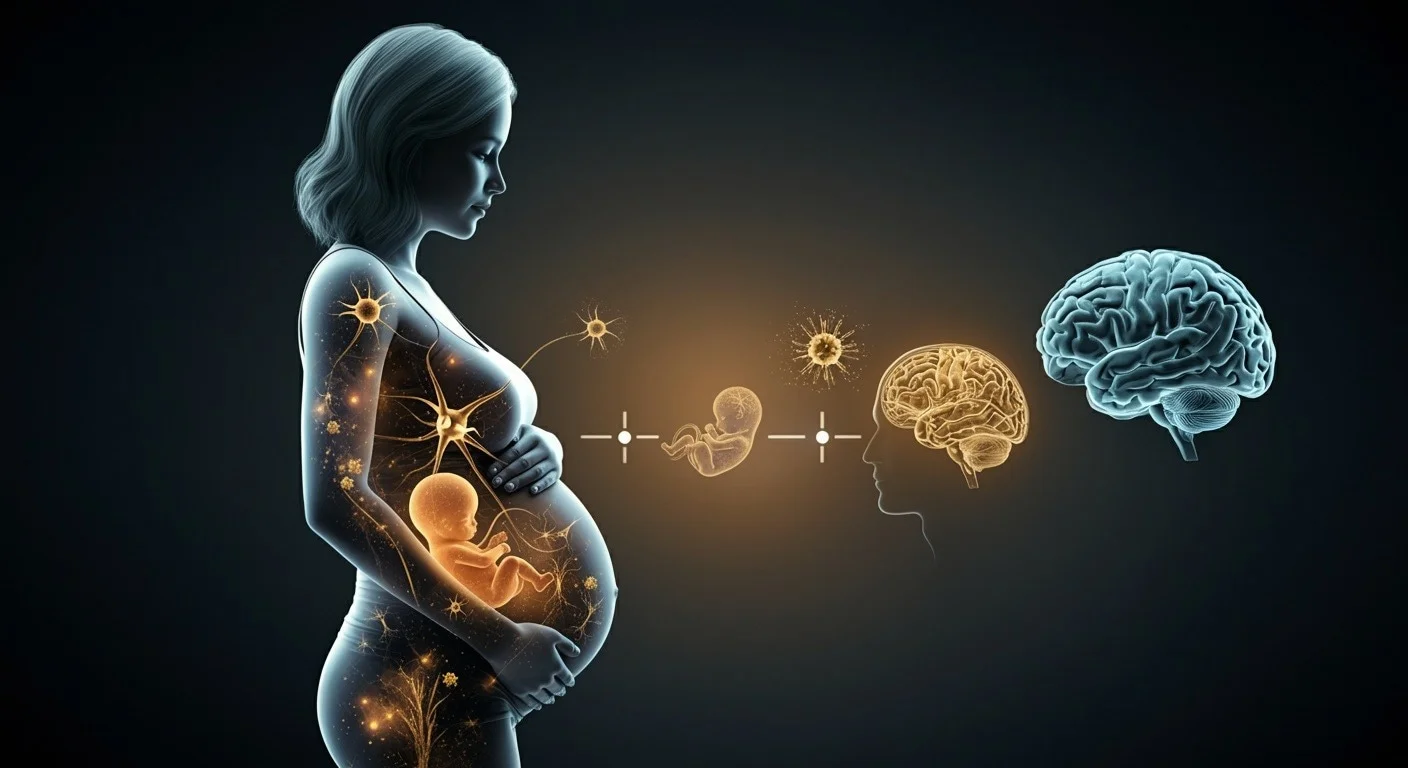
Sexual differentiation begins before birth.
At conception, the embryo receives chromosomes from both parents: XX for females and XY for males. For the first six weeks, male and female embryos look identical. Around the sixth week, if a Y chromosome is present, it triggers the gonads to develop into testes, which then produce testosterone.
-
In males: Testosterone leads to the formation of the penis, scrotum, and male ducts.
-
In females: In the absence of testosterone, the gonads become ovaries, and female reproductive organs develop naturally.
These hormones also influence the developing brain, shaping sexual and behavioral patterns later in life.
Childhood and Puberty
The second major phase of sexual development occurs during puberty — the transition from childhood to sexual maturity.
-
Girls: Puberty begins around ages 8–12. Breasts develop, pubic and underarm hair appears, and menstruation (menarche) begins around age 12 or 13. Hormones like estrogen and progesterone regulate these changes.
-
Boys: Puberty starts between ages 10–14. The testes enlarge, the penis grows, voice deepens, and facial hair develops. Testosterone drives these changes.
Both boys and girls experience increased sexual curiosity and may begin to explore their bodies through masturbation. The first menstruation and first ejaculation are milestones marking reproductive maturity.
Cultural and Emotional Aspects
Across cultures, puberty often comes with social or religious rituals symbolizing entry into adulthood. These changes influence how adolescents see themselves and how society perceives them — shaping emotional and psychological growth.
From conception to puberty, sexual development reflects a remarkable biological and emotional transformation. Understanding these stages fosters awareness, empathy, and healthy attitudes toward human sexuality.