
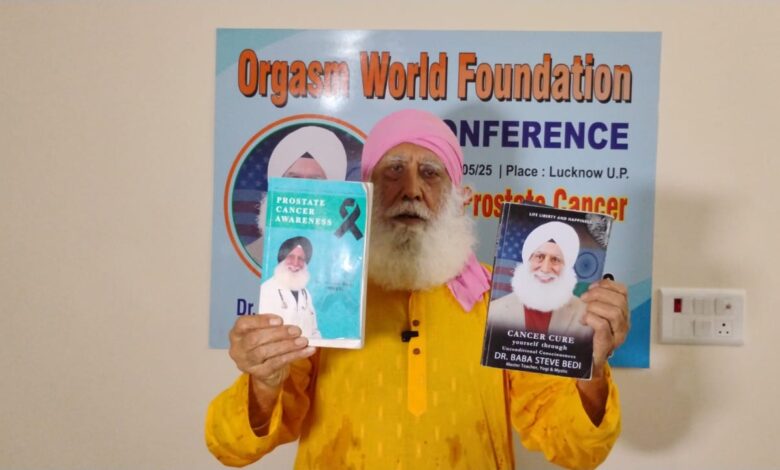
During a 2011 visit to New Delhi, U.S.-based wellness advocate and investor Dr. Baba Steve Bedi had a revealing encounter that linked political corruption with declining public and personal health.
After being introduced to Asokan, a Member of Parliament, Bedi was pitched a hotel project that was clearly illegal—zoned on agricultural land and approved through bribes to government officials. Asokan, already suffering from lung cancer due to years of smoking, was still involved in facilitating the deal through shady means.
The situation escalated when Asokan’s partner, Sabu, who was also central to the project, suffered a stroke before the deal could move forward.
In a heartfelt conversation at the hospital, Bedi urged Asokan to reconsider his ways:
“You’ve had cancer, you’re undergoing radiation, and yet you’re still chasing material gain. Life is short. You’ve been given a second chance—use it to educate the youth and inspire other politicians to respect life, health, and nature.”
Bedi pointed out how corruption and greed not only damage the moral fabric of society but also severely impact physical and mental health.
“The stress of unethical living,” he said, “leads to inner conflict, which affects the immune system, disrupts cellular balance, and contributes to diseases like cancer.”
Asokan, visibly moved, reportedly promised to cut ties with corrupt activities, admitting:
“I want to live a full span of life that divine nature has gifted me. I now realize I must respect it.”
The story serves as a powerful reminder of how unchecked ambition and moral decay are not only environmental and social issues—but deeply personal, health-related ones as well.