
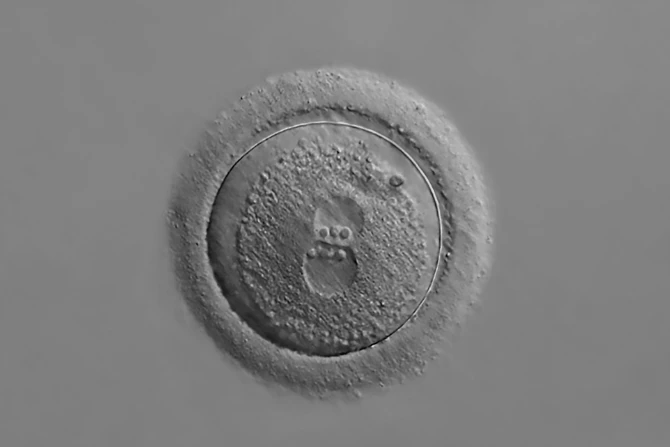
Every human life begins with a highly complex and fascinating biological process—the union of two cells, sperm and egg, forming a unique individual. This remarkable journey begins with conception, and modern science continues to uncover the intricate mechanisms behind it.
From Ejaculation to Fertilization: A Sophisticated Process
Human reproduction begins with the process of ejaculation, in which sperm cells are released from the male body. These sperm are initially immobile and coagulated, but through a series of biological triggers—including chemical signals, glandular secretions, and emotional and physical stimulation—they become active and mobile.
The sperm are deposited into the posterior part of the vaginal cavity, where they encounter a naturally acidic environment. However, seminal fluid contains alkaline substances, such as fructose and enzymes, which help neutralize this acidity and create a more hospitable environment for the sperm to survive and travel.
Within 15–20 minutes, the sperm are diluted and activated through a process called capacitation—a series of changes that prepare them to penetrate the egg. This allows them to swim through the cervix, into the uterus, and toward the fallopian tubes, where the ovum (egg) resides during ovulation.
Only One Sperm Succeeds
Though millions of sperm may begin this journey, only a few reach the egg, and just one successfully fertilizes it. The sperm uses a specialized enzyme located in its head to break down the outer membrane of the egg, enabling it to enter. Once a sperm penetrates, the egg immediately undergoes a reaction that hardens its outer layer, preventing any other sperm from entering.
This critical moment marks the beginning of a new life. Inside the fertilized egg, or zygote, genetic material from both parents—23 chromosomes from the egg and 23 from the sperm—combine to form a complete set of 46 chromosomes. These chromosomes determine the child’s physical traits and biological sex.
How Gender is Determined
The biological sex of the child depends on the chromosome carried by the sperm. The egg always contributes an X chromosome. If the sperm also provides an X chromosome, the result is a female (XX). If it provides a Y chromosome, the result is a male (XY).
Environmental factors such as the pH level of the vaginal tract may play a minor role in influencing which sperm—X or Y—survive the journey. A more acidic environment may reduce the viability of Y-bearing sperm, potentially increasing the chances of a female child. Conversely, a more alkaline environment may favor the faster, more fragile Y-bearing sperm, increasing the chances of a male child.
A Personal Reflection
Dr. Bedi recalls his early fascination with human biology during his pre-medical school days in the late 1950s. Along with a close friend named Satish, he would often discuss topics such as sex, marriage, and conception—subjects that were mysterious at the time due to a lack of formal education.
It wasn’t until his formal training in medical school that Dr. Bedi truly understood the intricacies of human reproduction: the physiology of ejaculation, the structure of sperm, and the hormonal and chemical interactions that lead to successful fertilization.
The Miracle of Life
Once fertilization occurs, the zygote begins dividing rapidly as it travels through the fallopian tube toward the uterus. This process initiates the development of a human being—an extraordinary transformation guided by nature’s own blueprint.
From two microscopic cells, life emerges—a powerful reminder of the complexity, precision, and wonder of biology.